













Career and Professional Development
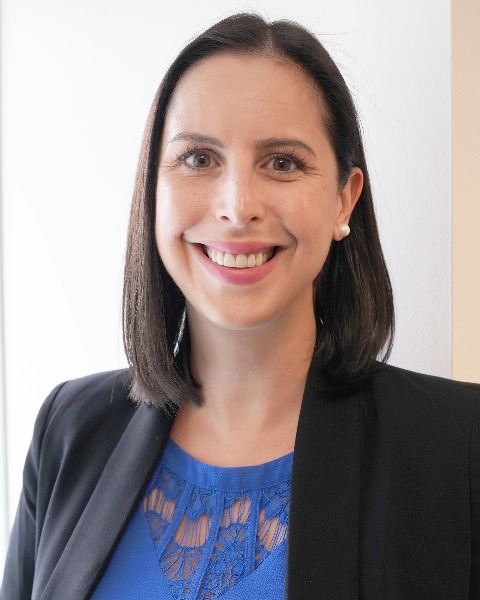
Stefanie Attardi, PhD
Associate Professor of Histology & Anatomy
Foundational Medical Studies
Oakland University William Beaumont School of Medicine
Victoria Roach, Ph.D
Director of Evaluation and Assessment, WISH
Surgery
University of Washington
Seattle, Washington, United States
This symposium explores the critical issue of power dynamics within academic relationships, with a particular focus on the abuse that can occur between mentors and mentees. Historically shrouded in silence, these abuses may manifest as intellectual theft, coercion, bullying, discrimination, exploitation, and emotional manipulation, all of which can significantly impact the academic and personal lives of those involved.
The trauma caused by abusive academic relationships can result in severe mental health issues, including anxiety, depression, and suicidality. In the field of anatomical sciences research and education, the integrity of mentorship is essential for promoting innovation and ethical research practices. Effective teaching and professional development also depend greatly on healthy mentor-mentee relationships, as they are fundamental to knowledge transfer, career advancement, and the development of future leaders in academia.
This session aims to instill vigilance, encourage proactive engagement among members to question and reform systems that perpetuate academic abuse, and provide a supportive environment for survivors. Through these collective efforts, we ultimately aspire to promote greater inclusivity and safety within our association, field, and educational institutions.
We begin the presentations with Dr. Zoe Ross-Nash, PsyD, who will examine how the hierarchical culture and power differentials within academia enable abuse and discuss the clinical psychology that promotes post-traumatic resilience after abuse in academia.
Next, Dr. Carlos Tarin, PhD, will explore patterns of misconduct in higher education with a focus on how organizational, institutional, and communicative dynamics can enable abuse.
Finally, Dr. Elizabeth Odders-White, PhD, will describe the impact of traumatic academic experiences on our ability to function professionally and will explore ways to support ourselves and others – pathways to peace – in the midst of these challenges.
The symposium will conclude with a Q&A period featuring our expert panel.
Speaker: Zoe Ross-Nash, PsyD – Equilibrium Health Advantage
Speaker: Carlos Tarin – The University of Texas at El Paso
Speaker: Elizabeth Odders-White, PhD, PCC – nodramaturg ~ healing higher ed